











Multi-Accounting
Multi-accounting is operating several accounts on the same platform in parallel, typically using antidetect browsers and proxies to keep the identities separate.
Multi-Accounting explained
Multi-accounting means running many accounts on one service at once, common in affiliate marketing, e-commerce, social media management, and advertising. Platforms fight it because linked accounts enable abuse, so they hunt for shared IPs, cookies, and fingerprints.
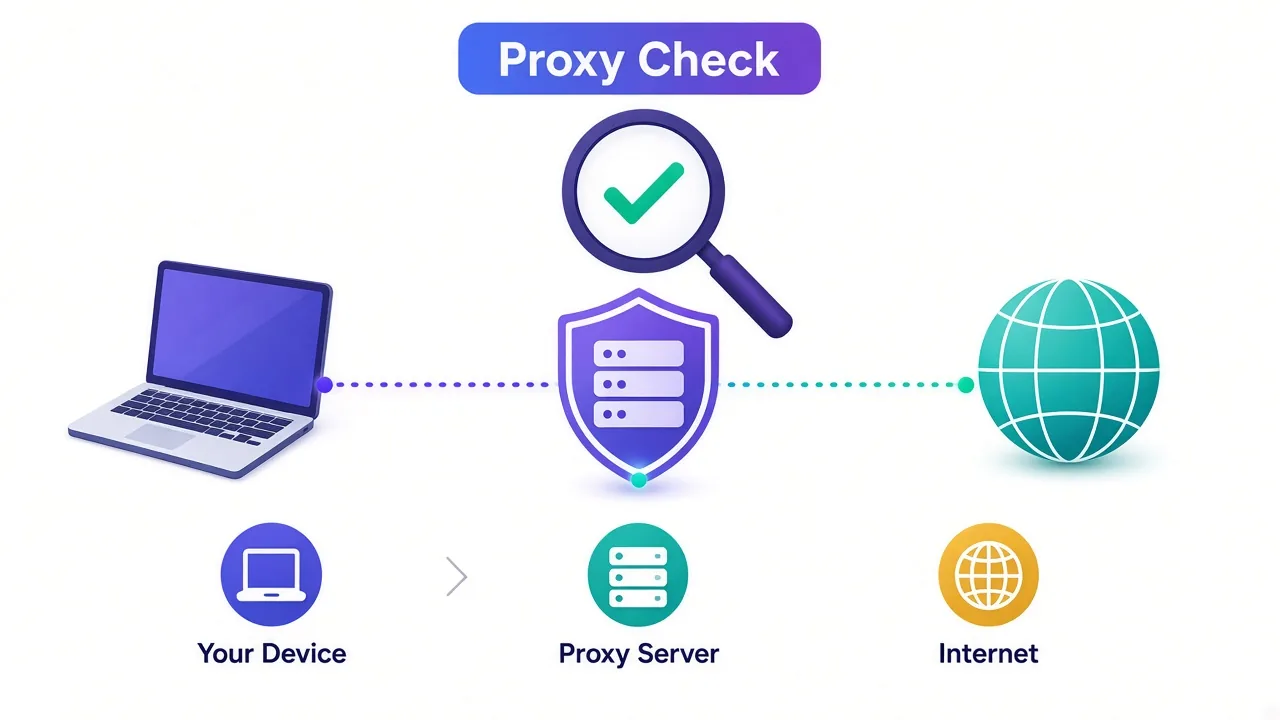
To keep accounts unlinked, operators give each one an isolated antidetect browser profile with a unique fingerprint and a dedicated residential or mobile proxy, so every identity looks like a separate person on a separate device and network.
Examples
- 01An agency managing client social accounts from one workstation
- 02A media buyer running several ad accounts to spread risk
- 03A seller operating multiple marketplace storefronts
Common use cases
Frequently asked questions
It is running multiple accounts on the same platform at once, kept separate with antidetect browser profiles and dedicated proxies so the platform cannot link them.
Many platforms restrict or ban it in their terms of service, so it can risk account suspension. Whether it is permitted depends on the specific platform and use case.
They correlate shared IP addresses, cookies, browser fingerprints, payment details, and behavioral patterns to connect accounts that appear related.
An antidetect browser to isolate profiles and unique fingerprints, plus a residential or mobile proxy per account so each identity has its own IP and location.
Usually not safely. Different IPs still share one browser fingerprint, so platforms can link accounts unless each also has an isolated, unique fingerprint.
Ready to put this into practice?
See our independently-scored picks.