



Residential Proxy
A residential proxy routes your traffic through a real IP address assigned by an Internet Service Provider to a genuine home or mobile device, making requests look like ordinary consumer traffic.
Residential Proxy explained
A residential proxy is an intermediary server that borrows an IP address issued by an ISP to a real household. Because that IP belongs to a legitimate consumer connection, websites see the request as coming from an ordinary person rather than a data center, so it is far less likely to be flagged, throttled, or blocked.
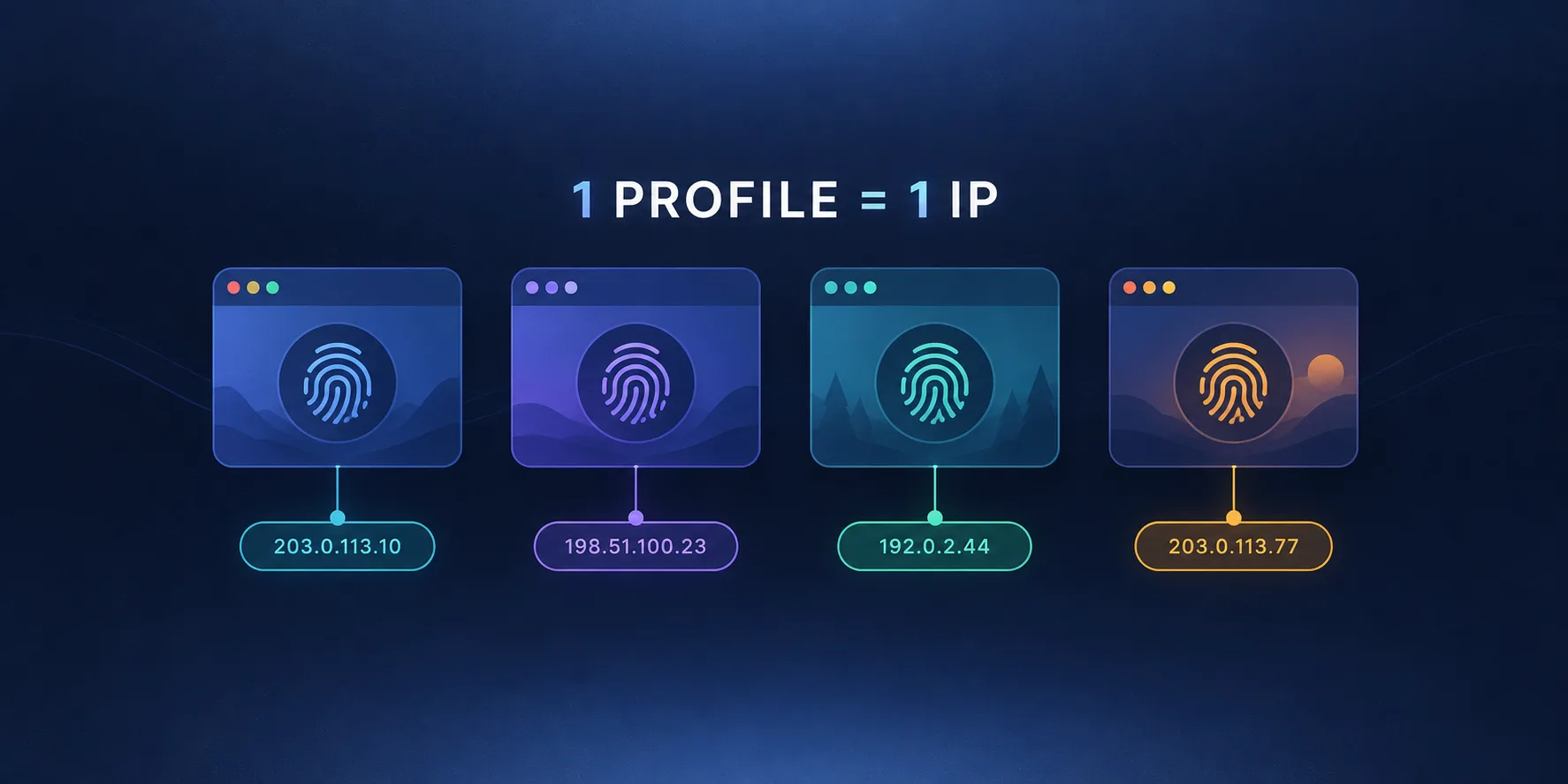
Providers build large pools of these addresses, usually through opt-in SDKs, peer networks, or partnerships, then let you route requests through them. You can typically target a country, state, or city, and choose whether each request uses a new IP (rotating) or holds the same IP for a while (sticky).
Why it matters
The trade-off versus datacenter proxies is trust for speed and cost. Residential IPs are slower and more expensive per gigabyte, but their authenticity is what gets you past aggressive anti-bot systems on retail, social, and travel sites.
Examples
- 01Scraping a sneaker retailer that instantly blocks datacenter IP ranges
- 02Verifying that a localized ad actually appears to users in Tokyo
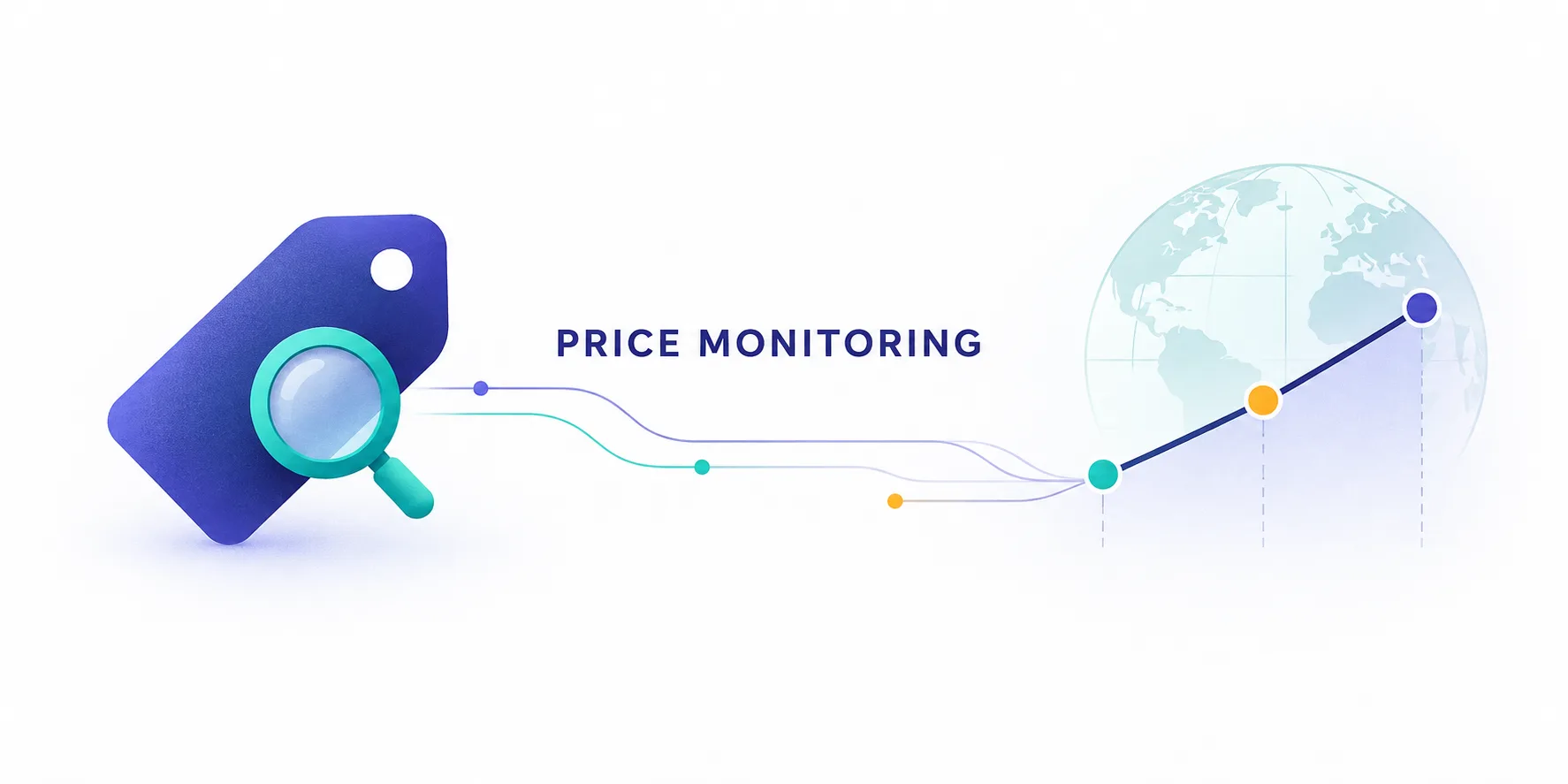
- 03Checking flight prices as they display to shoppers in five different countries
Common use cases
Frequently asked questions
Using them is legal in most places when the IPs are ethically sourced and you scrape only public data in line with local laws and site terms. The legality depends on what you do, not the proxy type itself.
Residential IPs come from real ISP customers and look like genuine users, while datacenter IPs come from hosting providers and are easier to detect. Residential is stealthier; datacenter is faster and cheaper.
They are usually billed per gigabyte because the pools are costlier to build and maintain, and the traffic is more valuable for bypassing blocks. Datacenter proxies are often billed per IP and cost far less.
It is much harder than detecting datacenter IPs, but sophisticated sites still use behavioral signals, fingerprinting, and IP reputation databases. Pairing clean residential IPs with realistic request patterns matters.
Rotating proxies assign a new IP on each request or after a short interval, ideal for large scraping jobs. Sticky sessions keep the same IP for minutes so you can complete logins, carts, or checkouts.
Look at pool size and quality, country and city targeting, success rate on your target sites, transparent per-GB pricing, and whether the IPs are ethically sourced with proper consent.
Ready to put this into practice?
See our independently-scored picks.