









D
Daniel R. Verified
May 29, 2026
5.05.0 out of 5
Scales to anything
We push billions of requests monthly and Bright Data never blinks. Targeting is unreal.
42 found this helpful

The largest proxy network on earth.
$5.04
from $5.04 /GB
Bright Data is the enterprise default for serious, large-scale web data collection. The network is enormous, the success rate against hostile targets is excellent, and the surrounding toolset — Web Unlocker, SERP API, the Scraping Browser — turns it from a proxy vendor into a data platform. Compliance and KYC are taken seriously, which is exactly what risk-averse enterprises want.
The flip side is price and complexity. Per-GB rates sit at the top of the market, the dashboard has a real learning curve, and onboarding can be slow because of identity checks. Hobbyists and small teams will find both the cost and the surface area excessive.
Pick Bright Data if you run mission-critical collection at volume and value reliability, compliance, and support over raw price. Skip it if you are budget-constrained or want something you can self-serve in five minutes — Webshare or IPRoyal will serve you better there.
Powerful but dense dashboard with a learning curve, and KYC can slow initial onboarding.
One of the largest networks in the category with 72M+ residential IPs across 195 countries and granular ASN/city targeting.
Among the most expensive options per GB, with separately billed automation products that complicate budgeting.
Class-leading success against aggressive anti-bot sites thanks to pool size plus the Web Unlocker automation layer.
Extensive documentation and dedicated account managers on paid tiers make support a clear strength.
| Type | Starting price | Pool size |
|---|---|---|
| Mobile | $8.40 /GB | 7M+ |
| Datacenter | $0.60 /IP | 770K+ |
| Residential | $5.04 /GB | 72M+ |
Bright Data (formerly Luminati) is the heavyweight of the proxy industry. Founded in 2014, it has grown into a full data-collection platform rather than a simple proxy seller, pairing one of the largest IP networks on the market with a stack of automation products: Web Unlocker, SERP API, the Scraping Browser, and ready-made dataset marketplaces. If you have heard one proxy brand discussed in enterprise data and compliance circles, it is almost certainly this one.
The headline numbers are large by any measure: 72M+ residential IPs, a 7M+ mobile pool, and roughly 770K datacenter addresses, with coverage advertised across 195 countries. Pricing starts at about $5.04/GB for residential, $8.40/GB for mobile, and around $0.60 per IP for datacenter. Bright Data publishes a quoted 99.99% uptime and sub-second average response (~0.7s).
This is a platform built for teams that treat web data as infrastructure: price-intelligence companies, large-scale market researchers, ad-verification vendors, brand-protection firms, and engineering teams that need a vendor with serious compliance documentation behind it. Bright Data leans hard into "know your customer" checks and ethical sourcing, which is reassuring for enterprises but adds friction for hobbyists.
If you are a solo developer scraping a few thousand pages a month, Bright Data will feel like overkill and the bill will sting. If you are running mission-critical collection at volume and need someone to call when something breaks, this is the safe, default choice.
Targeting is granular: country, state, city, and ASN/carrier in many cases. The network is paired with rotation controls, sticky sessions, and the unblocking products that automate CAPTCHA solving and retries.
In practice, Bright Data is consistently among the highest performers on success rate against difficult sites, largely because of pool size and the Web Unlocker layer. Latency is competitive rather than class-leading, but reliability and breadth are where it wins. The dashboard exposes detailed usage logs, which matters when you are auditing spend.
Bright Data is premium, and it is not shy about it. Pay-as-you-go rates are higher than budget rivals, and the best per-GB pricing requires committed monthly plans. The platform products (Web Unlocker, SERP API) are billed separately by successful request. Pricing changes often and enterprise quotes vary, so check the provider for current numbers before budgeting.
The strengths are obvious: the biggest feature set in the category, excellent success rates, and enterprise-grade compliance and support. The trade-offs are cost and complexity — the dashboard is powerful but dense, and the KYC process can delay onboarding for smaller accounts.
Documentation is extensive and well maintained, with code samples across languages and integration guides for the scraping products. Paid tiers get dedicated account managers and responsive technical support; lower tiers rely more on docs and ticketing.
Bright Data is the reference point everyone else is measured against. Pay the premium when reliability, scale, and compliance are non-negotiable — look elsewhere if you are price-sensitive or just getting started.
Automated CAPTCHA solving, retries and ban bypass for the hardest targets.
Structured search-engine results without managing proxies yourself.
Headful cloud browser with built-in unblocking for JS-heavy sites.
Granular geo-targeting down to city and carrier/ASN level.
Hold the same IP for multi-step flows and logins.
Ready-made, compliant datasets for common collection needs.
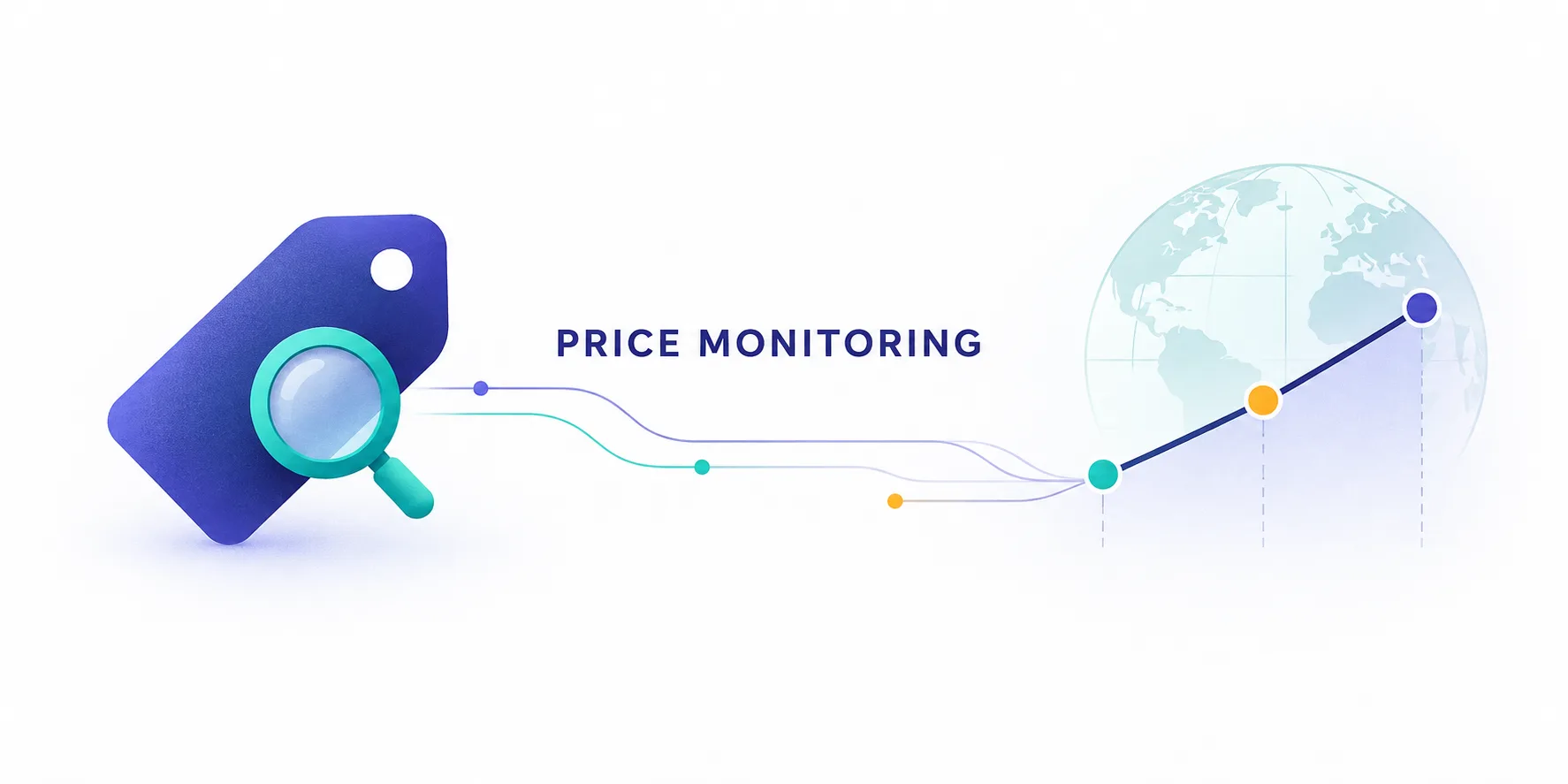
Bright Data is used for large-scale web data collection: price intelligence, market and SEO research, ad verification, and brand protection. Its proxy network is paired with automation tools like Web Unlocker and the SERP API to gather data from sites that actively block scrapers.
Residential IPs come from real consumer devices and ISPs, so they look like ordinary users and pass anti-bot checks far more often. Datacenter IPs are hosted in data centers, which makes them much faster and cheaper but easier for sites to detect and block.
Yes, it is one of the best options for difficult scraping at scale. The combination of a huge residential pool and the Web Unlocker layer that handles CAPTCHAs and retries gives it some of the highest success rates in the industry.
Residential starts around $5.04/GB, mobile around $8.40/GB, and datacenter near $0.60 per IP, with better rates on committed monthly plans. Automation products like Web Unlocker and SERP API are billed separately per successful request. Pricing changes often, so check the provider for current rates.
Yes, Bright Data offers trial access, though business accounts typically go through a verification step first. This KYC process is part of its compliance approach and can add a short delay before you can start.
Very precise. You can target by country, state, and city, and in many cases by ASN or mobile carrier. This makes it well suited to localized price checks and region-specific content verification.
Bright Data emphasizes ethical IP sourcing and enforces KYC checks to discourage abuse, and using proxies is legal in most jurisdictions. That said, you are responsible for complying with the terms of service of the sites you access and with local data laws.
Documentation is thorough with code samples and integration guides. Paid and enterprise tiers receive dedicated account managers and prompt technical support, while lower tiers rely more on docs and ticketing.
Both are premium enterprise providers with massive pools and strong scraper APIs. Bright Data has the broader product suite and the deepest compliance tooling, while Oxylabs is often praised for its support and AI-driven proxy management; pricing for both sits at the top of the market.
Daniel R. Verified
May 29, 2026
We push billions of requests monthly and Bright Data never blinks. Targeting is unreal.
42 found this helpful
Priya S. Verified
May 29, 2026
Steep at first but the docs got us going. Success rates are the best we have tested.
18 found this helpful
Marcus T.
May 29, 2026
Compliance and support are top notch. Exactly what our legal team needed.
7 found this helpful
Proxy
Premium proxies built for enterprise scraping.