








Best ISP Proxies 2026
Static residential-grade IPs with datacenter speed.
Our top ISP Proxies picks

From $8.00 /GB
Premium proxies built for enterprise scraping.

From $5.04 /GB
The largest proxy network on earth.

From $3.50 /GB
Powerful proxies without the enterprise price tag.
ISP Proxies proxies: a complete overview
ISP proxies — often marketed as static residential proxies — are datacenter-hosted IP addresses that are registered under a real internet service provider's name. That single detail changes everything: to an anti-bot system the address looks like an ordinary home connection, yet it lives on fast, stable server infrastructure. The result is residential-level trust wrapped around datacenter speed and a fixed, non-rotating address you can hold for weeks.
Why proxies matter for ISP proxies
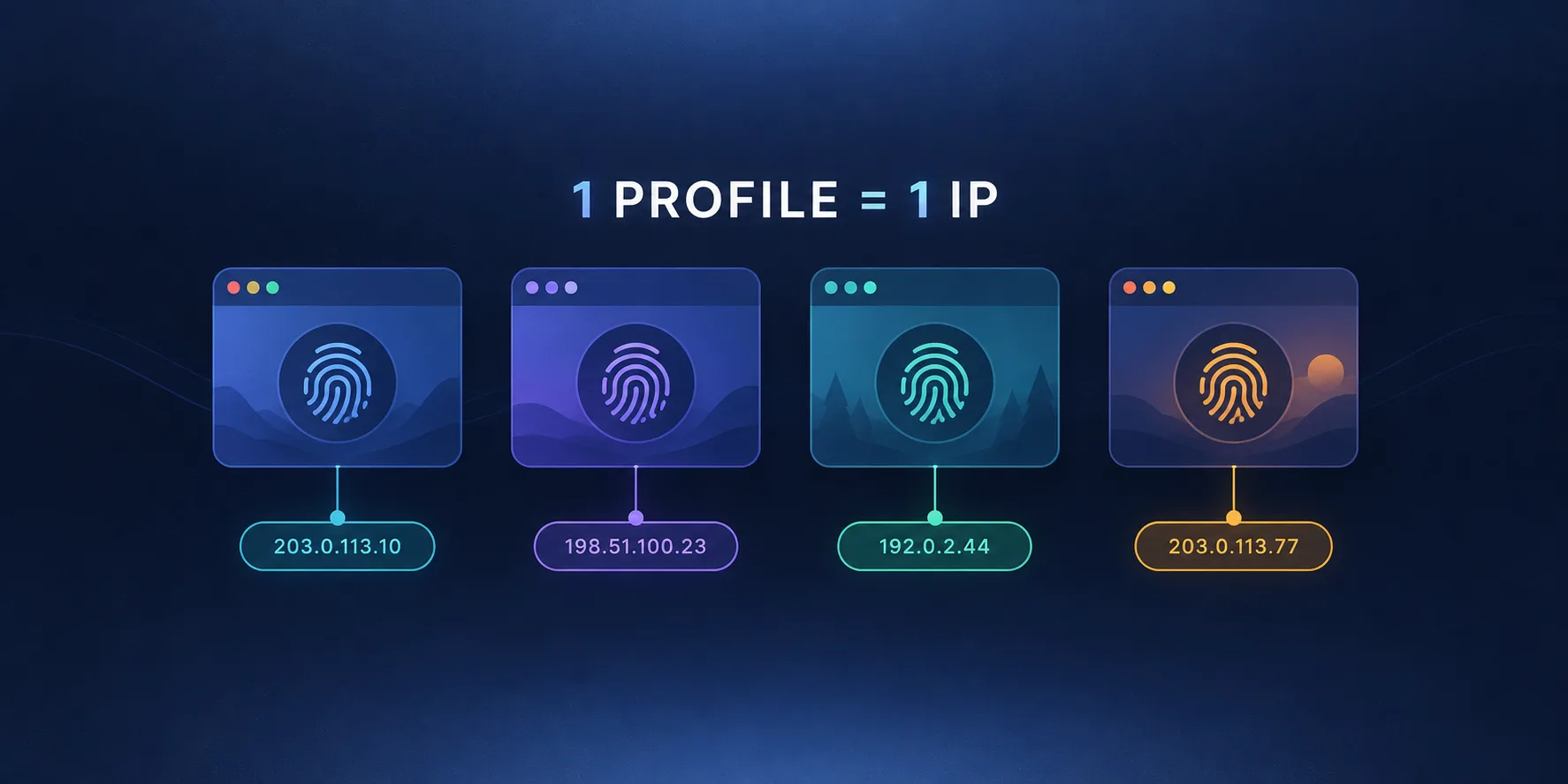
The whole point of an ISP proxy is identity persistence. A rotating residential pool hands you a different address on every request, which is perfect for scraping but hopeless for anything that expects the same person to come back. ISP IPs stay put, so a site sees a consistent, ISP-branded visitor session after session. Because the hosting is in a datacenter rather than someone's living room, latency is low and uptime is high — you are not waiting on a real device's flaky home Wi-Fi.
Which proxy type to use
ISP proxies are themselves one of the four IP families, so the question is really when to reach for them over the alternatives.
- ISP (static residential): long-lived accounts, verification flows, and anything needing a trusted but unchanging identity.
- Residential (rotating): large-scale scraping where a fresh IP per request is an asset, not a liability.
- Datacenter: high-volume work against tolerant targets where trust matters less than raw cost and speed.
- Mobile: the very hardest anti-bot targets, where CGNAT-shared carrier IPs earn the most trust of all.
What to look for
- Genuine ISP registration on major carriers, not datacenter ranges dressed up in marketing language.
- True static assignment with long IP-hold windows measured in weeks, not hours.
- City- and ASN-level targeting so the address matches the identity you need to project.
- Generous concurrent-session and sticky-session support for account management at scale.
- Transparent, per-IP pricing rather than opaque bandwidth metering.
Common pitfalls
Do not assume every "static residential" label is honest — some are recycled datacenter subnets already flagged by major platforms. Test IPs against your actual targets before committing, and avoid piling too many sensitive accounts onto one address.
ISP proxies cost more than plain datacenter but less than rotating residential, and they are faster than both — the pragmatic middle ground when you need trust and a fixed address at once.
All 9 providers for ISP Proxies
- 5.0(1)5.0 out of 5 from 1 reviews
$8.00
/GB
- 4.8(3)4.8 out of 5 from 3 reviews
$5.04
/GB
- 4.5(3)4.5 out of 5 from 3 reviews
$3.50
/GB
- 4.4(0)4.4 out of 5 from 0 reviews
$2.95
/GB
- 4.3(2)4.3 out of 5 from 2 reviews
$0.99
/GB
- 4.3(0)4.3 out of 5 from 0 reviews
$4.00
/GB
- 4.2(0)4.2 out of 5 from 0 reviews
$2.40
/GB
- 4.2(0)4.2 out of 5 from 0 reviews
$8.00
/GB
- 4.0(0)4.0 out of 5 from 0 reviews
$2.00
/GB






What to look for
Key requirements
- IPs registered to genuine residential ISPs
- Static, non-rotating addresses
- High bandwidth and low latency
- A choice of geographic locations
- Generous IP allocation per plan
Benefits
- Residential trust at datacenter speed
- A stable IP for long-lived accounts
- Excellent for sneaker sites and account management
- No per-GB bandwidth metering on most plans
How we rank proxies for ISP Proxies
We rank ISP providers on the authenticity of their ISP registration, raw speed, IP stability, and the breadth of available locations.
Frequently asked questions
A datacenter-hosted IP address that is registered to a residential ISP, combining residential-level trust with datacenter performance and a fixed, non-rotating address.
ISP IPs are static and fast — ideal for accounts that must keep one consistent IP. Rotating residential IPs change frequently and are better for broad, stealthy scraping.
A stable, trusted IP avoids the verification challenges that a sudden IP change triggers, which matters for checkouts and long-lived logins.
Usually no — most ISP plans are billed per IP with unmetered bandwidth, which suits steady, high-throughput use.