











HTTP Proxy
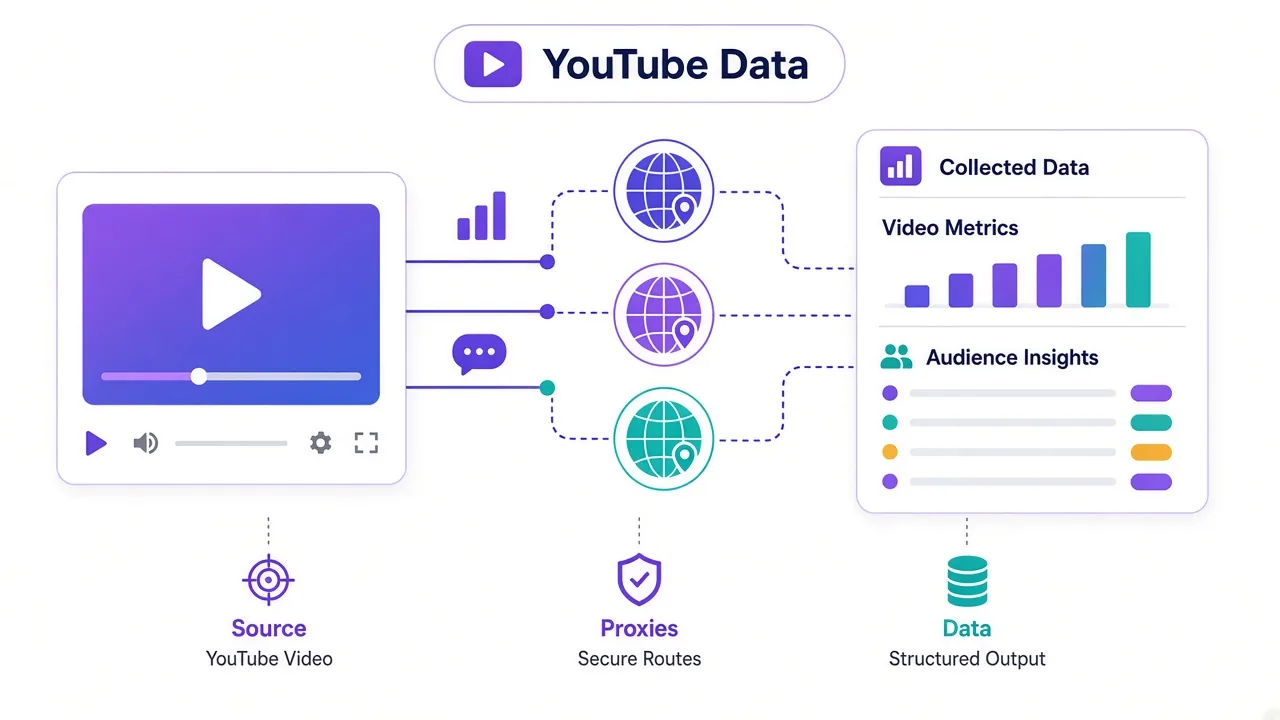
An HTTP proxy is a proxy that understands and forwards web traffic using the HTTP and HTTPS protocols, the most common type for browsing and scraping.
HTTP Proxy explained
An HTTP proxy operates at the application layer and specifically handles web requests. It can read HTTP headers, which lets it cache content, filter requests, and modify headers, making it well suited to web scraping and browsing.
For encrypted sites it uses the HTTP CONNECT method to tunnel HTTPS traffic without decrypting it. Compared with SOCKS5, an HTTP proxy is web-focused and header-aware, while SOCKS5 is protocol-agnostic and can carry any kind of traffic.
Examples
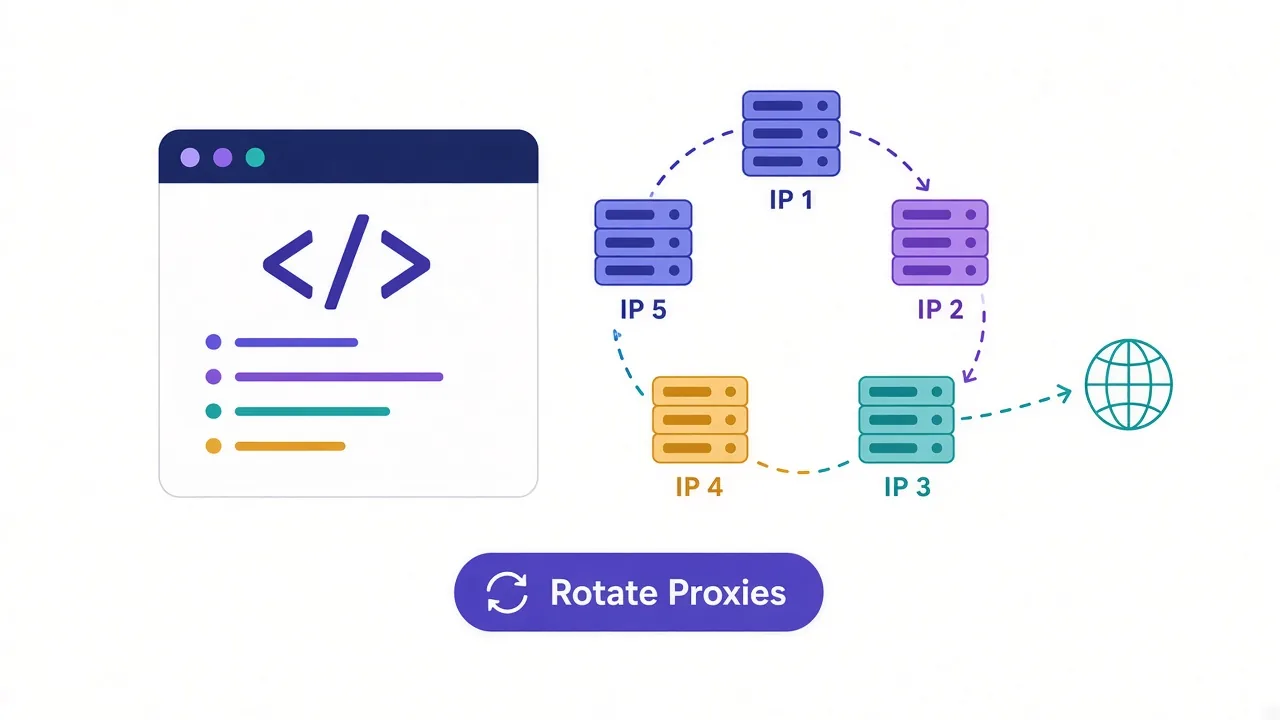
- 01Routing a scraper browser through an HTTP proxy endpoint
- 02Adding custom headers at the proxy layer for a request
- 03Tunneling HTTPS traffic via the CONNECT method
Common use cases
Frequently asked questions
HTTP proxies understand web traffic and can read and modify headers, while SOCKS5 proxies forward any TCP or UDP traffic without interpreting it, making SOCKS5 more versatile.
Yes. They tunnel encrypted HTTPS traffic using the CONNECT method, forwarding it without decrypting the contents.
For most web scraping and browsing tasks, since it is web-aware and widely supported. Choose SOCKS5 when you need to proxy non-web protocols or UDP traffic.
Yes. Nearly every HTTP client and scraping library supports configuring an HTTP or HTTPS proxy, so integration is straightforward.
They forward HTTPS traffic without decrypting it, but the proxy operator can see which sites you connect to. Use reputable providers and always keep site traffic on HTTPS.
Ready to put this into practice?
See our independently-scored picks.