











The proxy & privacy glossary
Clear definitions for the terms you'll meet across proxies, VPNs and antidetect browsers.
Showing 10–18 of 28 terms
Page 2 of 4
HTTP Proxy
An HTTP proxy is a proxy that understands and forwards web traffic using the HTTP and HTTPS protocols, the most common type for browsing and scraping.
IP Rotation
IP rotation is the practice of switching the source IP address used for outgoing requests so that traffic is spread across many addresses instead of one.
ISP Proxy
An ISP proxy is a datacenter-hosted IP that is registered under an Internet Service Provider, combining the speed of a data center with the trust of a residential address.
Kill Switch
A VPN kill switch automatically blocks all internet traffic if the VPN connection drops, preventing your real IP and data from leaking.
Mobile Proxy
A mobile proxy routes traffic through IP addresses assigned by mobile carriers to 4G and 5G devices, giving it the highest trust level of any proxy type.
Multi-Accounting
Multi-accounting is operating several accounts on the same platform in parallel, typically using antidetect browsers and proxies to keep the identities separate.
No-Logs Policy
A no-logs policy is a VPN provider's commitment not to record your online activity, real IP address, or connection metadata, so there is nothing to hand over or leak.
OpenVPN
OpenVPN is a long-established, open-source VPN protocol valued for its strong security, flexibility, and ability to run reliably across almost any network.
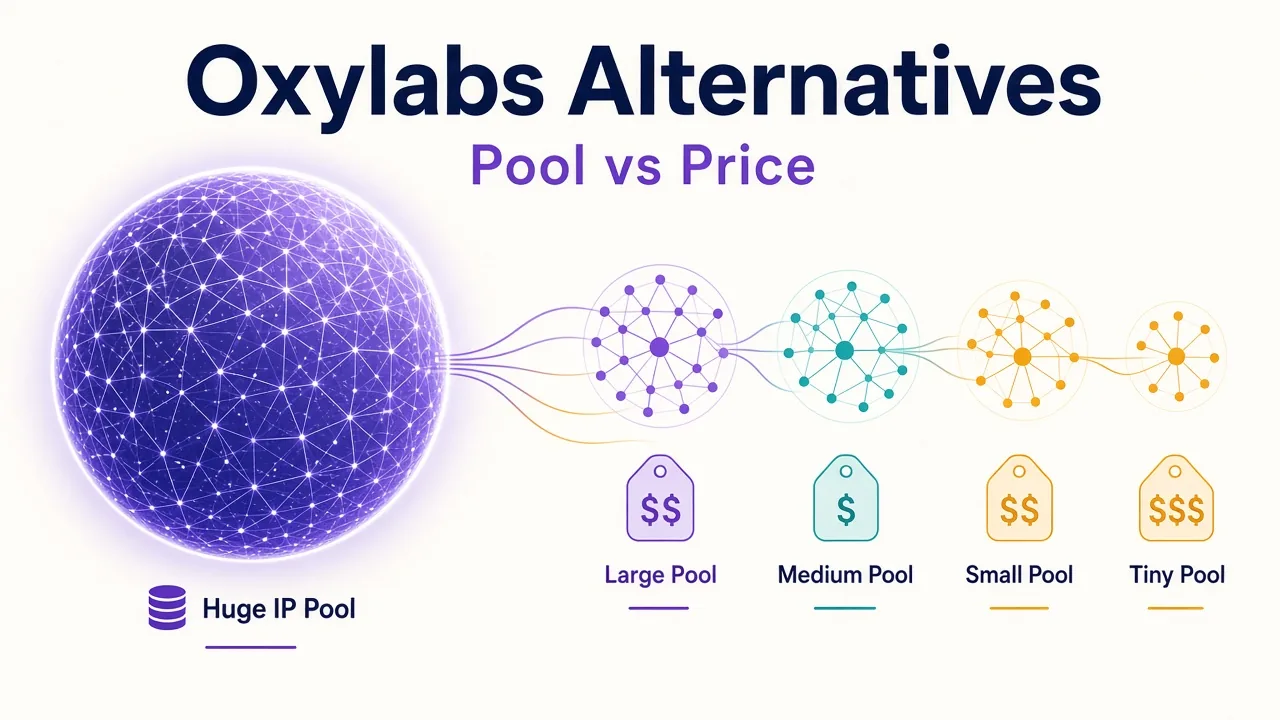
Proxy Pool
A proxy pool is the collection of IP addresses a provider makes available to route your traffic through, from which rotating proxies draw fresh IPs.