












Kameleo
API-first antidetect with real mobile profiles.
$59.00
from $59.00 /mo
- Profiles
- Unlimited (local)
- Team features
- Yes
- Free plan
- No
- Founded
- 2018
Our verdict
Kameleo is what you buy when the browser is a component in a pipeline rather than a window you look at. The local REST API, the official C#, Python, Java and Node SDKs, and first-class Selenium, Puppeteer and Playwright support make it the most automation-native tool in this directory.
Where it excels
Two things. First, the API: anything the interface does, a script can do, and the documentation is written for engineers rather than marketers. Second, genuine mobile profiles — an emulated Android environment rather than a desktop with a rewritten user-agent string, which is a meaningful difference on platforms that check more than the header.
Where it falls short
The desktop client is Windows-only, which rules it out for a lot of teams before the evaluation starts. There is no free tier, and euro pricing from around EUR 59/mo is upper-middle for the category. Team collaboration is thinner than the cloud-first platforms, since profiles live locally by default. And if you drive profiles by hand rather than by script, you are paying for capability you will not use.
Bottom line
For engineering-led operations on Windows that need mobile fidelity, Kameleo is close to unmatched. For hand-driven multi-accounting, or any team on macOS or Linux, look at Octo Browser, GoLogin or Dolphin Anty instead.
Benchmarks & scoring
The best automation story here: documented REST API plus C#, Python, Java and Node SDKs.
Excellent for engineers, unremarkable for anyone driving profiles by hand.
Stable under scripted load; Windows-only distribution limits where it can run.
From EUR 59/mo with no free tier; good value only if you use the automation.
Dual engines and genuinely emulated mobile profiles; desktop stealth is strong if a shade behind Octo.
Local-first profiles make distributed team sharing more manual than cloud rivals.
Pros & cons
Pros
- Best-in-class automation: local REST API with official C#, Python, Java and Node SDKs
- Genuine mobile profiles via an emulated Android environment, not a spoofed user agent
- Chromium and Firefox based engines for engine diversity
- Selenium, Puppeteer and Playwright supported out of the box
- Documentation written for engineers, with working code samples
- Profiles can be created, cloned and torn down entirely from code
- Established vendor operating since 2018
Cons
- Desktop client is Windows-only, ruling it out for macOS and Linux teams
- No free plan
- Euro pricing from around EUR 59/mo is upper-middle for the category
- Team collaboration is thinner than cloud-first rivals; profiles are local by default
- Overkill if you drive profiles by hand rather than by script
Compatibility
Operating systems
Overview
What Kameleo is
Kameleo is an antidetect browser aimed squarely at developers. Founded in 2018 and built in Hungary, it treats the browser as something you drive from code: the local API, SDKs and automation hooks are the product, and the desktop interface is a convenience wrapped around them.
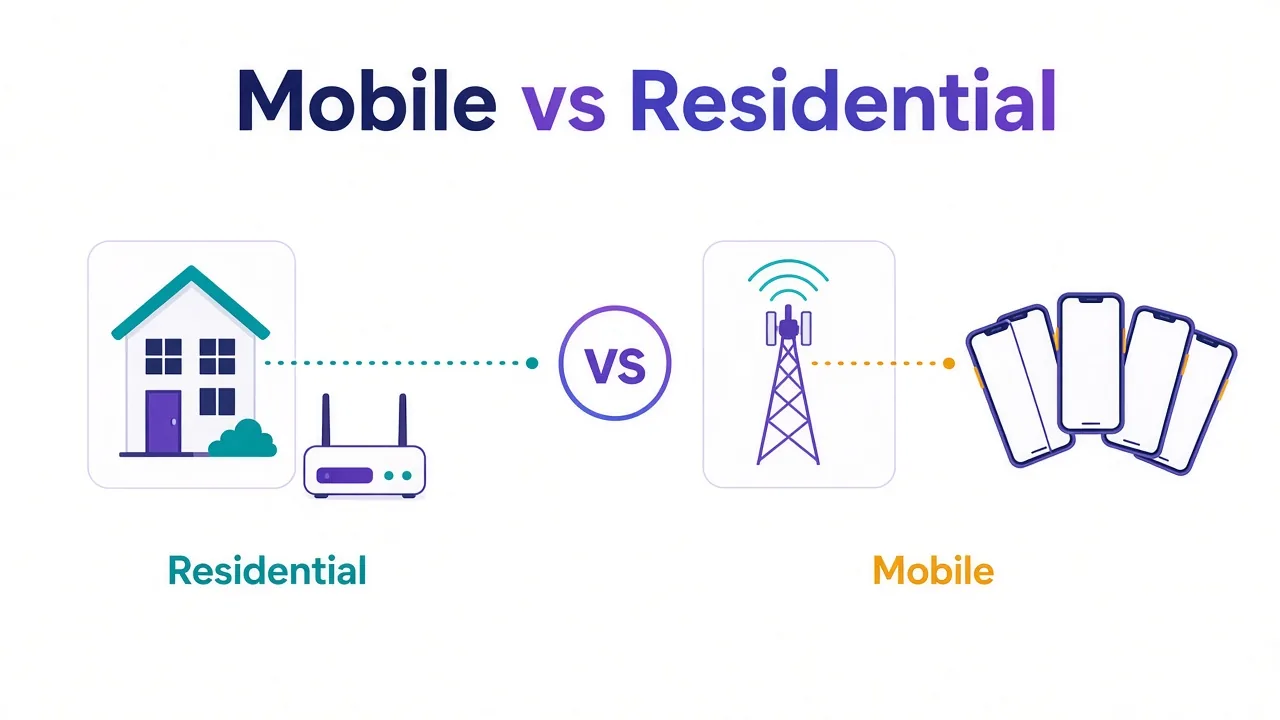
Profiles work as they do elsewhere — isolated storage, a configurable fingerprint, a bound proxy — but Kameleo's distinguishing trick is genuine mobile profiles. Rather than faking a phone user agent, it can run profiles through an emulated Android environment, so mobile-specific checks see a mobile stack rather than a desktop pretending.
Who it is for
Kameleo is for teams who automate. If your workflow is a Python or C# script that spins up profiles, does work and tears them down, Kameleo will feel purpose-built. If you want to click through accounts by hand all day, friendlier tools exist.
Fingerprinting and stealth
Kameleo ships Chroma and Junglefox engines (Chromium and Firefox based) plus mobile profiles, and spoofs Canvas, WebGL, WebRTC, audio, fonts, timezone and geolocation. The mobile story is the differentiator: emulated Android profiles present a genuinely mobile environment rather than a desktop with a rewritten user-agent string, which holds up better where platforms check more than the header.
Profiles and workflow
Profiles are created from a base fingerprint library and can be saved, cloned and exported. Because the tool is API-first, most heavy workflows happen in code — bulk creation, rotation and cleanup are a few lines rather than a series of clicks.
Automation and API
This is Kameleo's strongest suit. A documented local REST API drives everything, with official SDKs for C#, Python, Java and Node, plus Selenium, Puppeteer and Playwright support. Anything the interface can do, a script can do.
Team features
Team support is present but modest compared with cloud-first platforms: this is a locally installed tool, so sharing profiles across a distributed team takes more deliberate setup than with Octo or GoLogin.
Pricing and plans
Pricing is euro-denominated and starts around EUR 59/mo, which puts Kameleo in the upper-middle of the market. There is no free tier. The desktop client is Windows-only, which is the single most common reason people rule it out.
Bottom line
Kameleo is the antidetect browser to pick when automation is the point and mobile profiles matter. The API and SDK coverage are the best in the category. Windows-only distribution and the absence of a free plan are real limitations, and manual operators will find the value proposition thinner.
Features & capabilities
Local REST API
Drive every function of the browser from code.
Official SDKs
C#, Python, Java and Node clients, with samples.
Mobile profiles
Emulated Android environment, not a spoofed user agent.
Dual engines
Chromium-based Chroma and Firefox-based Junglefox.
Scripted lifecycle
Create, use and destroy profiles programmatically.
Cross-platform client
Windows only; no macOS or Linux build.
Integrations & supported tools
Privacy & compliance
Frequently asked questions
Running isolated browser profiles at scale from code. It is aimed at developers and automation-led teams who script profile creation, use and teardown rather than clicking through accounts by hand.
Instead of rewriting the user-agent string on a desktop browser, Kameleo can run profiles through an emulated Android environment, so checks that look beyond the header still see a mobile stack.
A documented local REST API plus official SDKs for C#, Python, Java and Node, with Selenium, Puppeteer and Playwright support. Anything the desktop interface can do is available to a script.
No. The desktop client is Windows-only, which is the most common reason teams rule it out. macOS and Linux users should look at Octo Browser, GoLogin or Dolphin Anty.
No. Kameleo is paid from the entry tier, with pricing denominated in euros starting around EUR 59/mo.
Team use is supported but more deliberate than on cloud-first platforms, because profiles live locally by default. Distributed teams that need shared cloud profiles will find Octo Browser or GoLogin simpler.
No. You supply your own and bind one per profile; HTTP, HTTPS and SOCKS5 are supported.
Multilogin is broader and more enterprise-oriented, with cross-platform clients and deeper governance. Kameleo is narrower and deeper on automation, with better mobile fidelity and a Windows-only client. Engineering teams tend to prefer Kameleo; large organisations tend to prefer Multilogin.
AdsPower is cheaper, cross-platform and offers no-code RPA for people who do not write scripts. Kameleo is the better tool if your automation lives in real code and you need mobile profiles. They serve different halves of the same market.
User reviews (0)
No reviews yet. Be the first to share your experience.